
- Sorghum (Jowar)
- Pearl (Bajra)
- Finger millet (Ragi)
- Foxtail (Kakum)
- Kodo (Kodon)
- Barnyard (Sanwa)
- Little millet (Kutki/Shavan)
- Proso (Chenna/Barri)
- Amaranth (Ramdana/Rajgira)
- Buckwheat (Kuttu)
- Browntop (Korla)
Sorghum (Jowar)
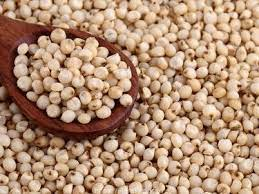
- It is commonly called Jowar in India. The largest sorghum-producing states in India are Maharashtra and Karnataka. Some varieties of Sorghum are used for ethanol production.
- Sorghum’s prolamin (kaffir) makes up the bulk of the protein, and its unusual property of being less digestible when cooked suggests it may be beneficial for some people’s diets.
- Proteins in cooked sorghum are much less digestible than those in other cereals; this may be beneficial for some people’s diets.
- Protein, fibre, B vitamins, folate, and carotene are only a few of the nutrients that are abundant in it.
- It contains adequate levels of iron, zinc, and sodium, and is a good source of potassium, phosphorus, and calcium.
Pearl (Bajra)
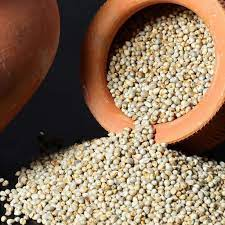
- In India, you will find this crop by the name Bajra and is mostly grown in states such as Gujarat, Rajasthan, Maharashtra, Uttar Pradesh, and Haryana.
- Proteins make about 12-16% of pearl millet, with lipids making up 4-6%.
- There is 11.5% dietary fibre present. The digestive process takes longer to complete. As a result, IBD risk is decreased.
- Pearl millet has the highest niacin level of any cereal.
- Vitamins E and B-complex are present, as with the minerals magnesium, iron, copper, and zinc. When compared to other millets, its energy content is particularly high.
- It’s a great source of calcium and healthy unsaturated fats.
Finger millet (Ragi)
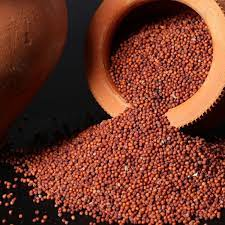
- In India, you will find this crop by the name Bajra and is mostly grown in states such as Gujarat, Rajasthan, Maharashtra, Uttar Pradesh, and Haryana.
- Proteins make about 12-16% of pearl millet, with lipids making up 4-6%.
- There is 11.5% dietary fibre present. The digestive process takes longer to complete. As a result, IBD risk is decreased.
- Pearl millet has the highest niacin level of any cereal.
- Vitamins E and B-complex are present, as with the minerals magnesium, iron, copper, and zinc. When compared to other millets, its energy content is particularly high.
- It’s a great source of calcium and healthy unsaturated fats.
Foxtail (Kakum)
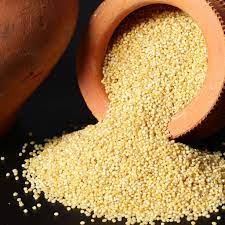
- Foxtail millet or Italian millet is usually grown in a semi-arid region. The growing season of this type of millet in India is very short.
- It has a lot of sugar and flour in it.
- When compared to rice, it has twice as much protein.
- Copper and iron are among the minerals present.
- It’s highly nutritious, tastes deliciously nutty, and ranks among the easiest grains to digest and avoid reacting to for those with food allergies.
Kodo (Kodon)
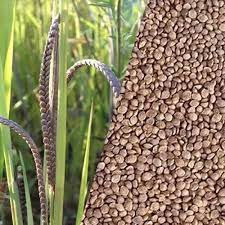
- Kodo millet is a digestible kind of millet that contains more of the amino acid lecithin.
- It helps to strengthen the neurological system.
- Niacin, B6, and folic acid, among other B vitamins and other vitamins and minerals, are especially abundant in kodo.
- It has minerals such as calcium, iron, potassium, magnesium, and zinc.
- It is excellent for people who are gluten intolerant because it is a gluten free millet.
- When used consistently by postmenopausal women, it can treat cardiovascular problems like excessive blood pressure and cholesterol levels.
Barnyard (Sanwa)
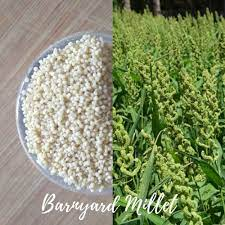
- This is one of the millets in India that is grown in certain parts of Andhra Pradesh and Uttarakhand. Its specialty is that it grows even in marginal lands.
- Both crude fibre and iron can be found in abundance there.
- Gamma amino butyric acid (GABA) and Beta – glucan, both employed as antioxidants and in lowering blood lipid levels, are present in its grains as well.
Little millet (Kutki/Shavan)
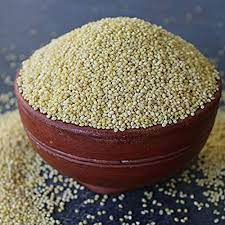
- This is one of the millets in India that is grown in certain parts of Andhra Pradesh and Uttarakhand. Its specialty is that it grows even in marginal lands.
- Both crude fibre and iron can be found in abundance there.
- Gamma amino butyric acid (GABA) and Beta – glucan, both employed as antioxidants and in lowering blood lipid levels, are present in its grains as well.
Proso (Chenna/Barri)
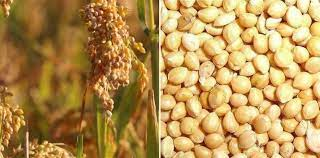
- Also called broomcorn millet, this grain is mostly found in the drier regions of Asia, Australia, Africa, Europe, and North America. You do not need a lot of water to grow this crop.
- The protein content is the greatest (12.5%).
- The special qualities of proso millet are the source of its beneficial health effects. Both carbohydrates and fats are present in quite high concentrations.
- Compared to more commonplace sources like spices and nuts, this one is much more cost effective for obtaining manganese.
- It’s a great source of calcium, which helps build and maintain strong bones.
- The risk of cardiovascular disease is lowered and cholesterol levels are lowered as a result.
Amaranth (Ramdana/Rajgira)
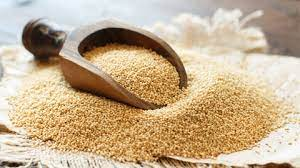
- Amarnath, also known as Rajgira, is a great source of protein and dietary fibre. It is excellent for a balanced diet.
- This millet aids in preventing hair loss and greying.
- Amaranth also reduces cholesterol and the chance of developing cardiovascular disease.
- It contains a lot of calcium, vitamins and other nutrients.
- Protein level (13%-14%) is high, and it contains lysine, an amino acid that is either absent from or present only in trace amounts in most other grains.
- Oil content is significantly higher (6-9%) than in other cereal grains. Approximately 77% of the fatty acids in amaranth oil are unsaturated, and it is particularly rich in linoleic acid.
- There is a lot of fibre in it.
- Iron, magnesium, phosphorus, potassium, and significant calcium are all present in high concentrations.
- Phytosterols, which have been shown to reduce cholesterol levels, are abundant in this food.
- Contains bioactive peptides with potential cancer-preventative and blood pressure-lowering effects, including a lunasin-like peptide.
Buckwheat (Kuttu)
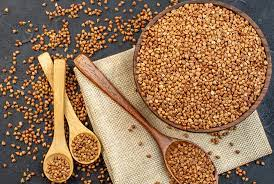
- Buckwheat, or kuttu as it is known in India, is a popular millet that is eaten by many during the Navratra fast.
- It’s safe for diabetics and reduces blood pressure.
- It helps your heart and if you’re trying to slim down, you should definitely work it into your diet.
- Buckwheat protects against bile duct stones, child asthma, and breast cancer.
- There is protein in it. High levels of the amino acid lysine (13%-15%) and protein overall.
- Substantially high in starch and other carbs.
- Vitamins B1, C, and E are present.
- High in beneficial polyunsaturated fatty acids like linoleic acid.
- Bioavailability of the zinc, copper, and manganese it contains is much higher than that of other cereal grains.
- Good source of soluble fibre.
- It’s a great way to get your polyphenol fix.
- Contains the bioflavonoid rutin, which has been linked to a variety of health benefits, including blood pressure regulation, inflammation reduction, and cancer prevention.
Browntop (Korla)
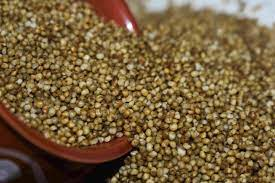
- This millet is mostly grown in Karnataka and Andhra Pradesh. What makes this millet unique is that it can be grown even in less fertile soil.
- The low glycemic index (GI) of browntop millet means that it does not cause a rapid increase in blood sugar levels like rice does, but rather has a more gradual effect. That’s why it works well as a swap for rice.
- One hundred grams of browntop millet has 12.5 grams of fibre. Its high fibre content aids digestion by slowing down the rate at which food moves through the digestive tract.
- Consumption of millets was associated with an 8% decrease in total cholesterol and a 5% decrease in diastolic blood pressure, according to a recent meta-analysis research.
- The high fibre content of browntop millet makes it an excellent choice for those looking to maintain regular bowel movements and lower their risk of developing bowel diseases.
- It acts as a cleansing agent by binding harmful substances, and it also promotes general bodily health.
The semi-arid tropics of Asia and Africa have relied on sorghum and millets as key staples for ages. Energy, vitamins, minerals, and protein are still primarily obtained from these crops for millions of the poorest people in these regions.
Sorghum and millets are typically planted in marginal climates where few other crops can survive or produce satisfactory results. various small-holder farmers in various countries cultivate them using scarce water and often no fertilisers or any inputs as all. As a result, they are known as “coarse grain” or “poor people’s crops” because they are typically consumed by those in lower socioeconomic status. They are rarely sold in national or even regional markets because of the lack of demand.
Therefore, in cases of overproduction, farmers rarely have a guaranteed market.